

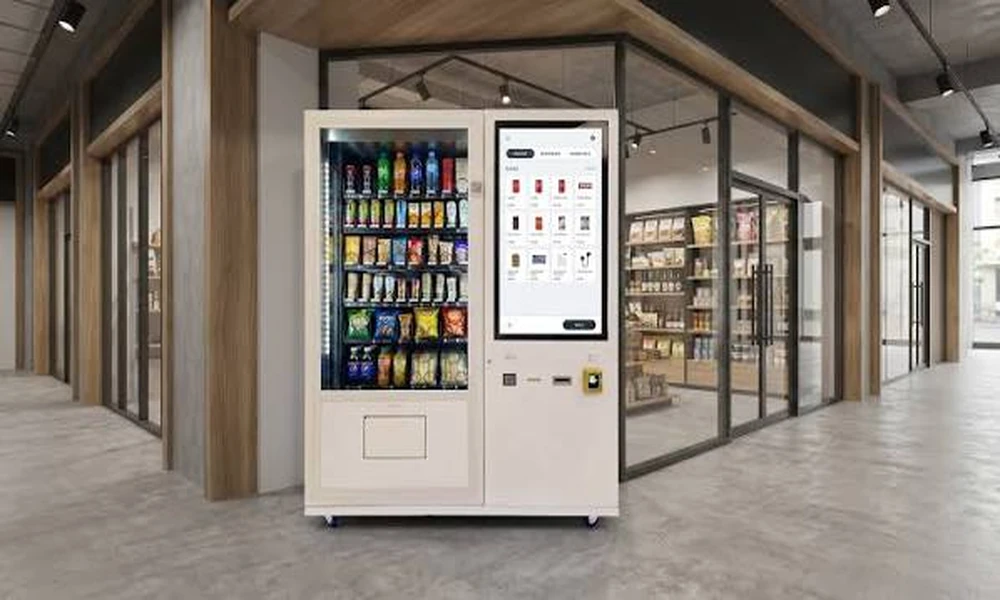
IoT has revolutionized the functioning of vending machines by establishing connections between their hardware components and the internet. Such connectivity enables machines to gather data, communicate with distant systems, and conduct automated business processes. Today’s vending machines have multiple functions that are interrelated to one another to enhance various aspects of their operation. Companies interested to learn more about such solutions may learn how IoT is used in smart vending machines.
Real-Time Inventory Monitoring
The ability to monitor inventory is another IoT function that is quite valuable for vending machines. In regular vending machines, workers have to visit every vending site physically to see the inventory status. Smart vending machines can give the inventory status via sensors. These monitors will monitor the inventory and send information about it to the management control centre.
Managers will be able to know about the products that are selling faster and those compartments that do not have any inventory in them. Real-time information about the inventory can also assist in learning more about the buying pattern. By analyzing the sales information, operators can learn about the best-selling products and those that are selling slowly and decide on their inventory.
Cashless Payment Integration
Nowadays, vending machines have become more advanced to support digital payment modes. Using IoT integration enables vending machines to connect to payment processing systems and facilitate transactions using connected devices. Consumers do not have to carry cash but can pay using contactless cards or other available digital payment modes.
This helps to facilitate transactions and lessen the burden on the operator to manage cash. Connected payment devices transfer transaction details to management systems where businesses can analyze their transaction activities and see whether payments are working properly or not. Proper communication and appropriate data protection of payment details are critical as sensitive information is handled by such systems.
Remote Machine Monitoring
Operators are able to monitor the functioning of the vending machine remotely without having to travel to each location where a vending machine is placed. Connected equipment will be able to send data on the power status, communication, temperature, and other operational parameters of the machine.
If the machine suffers any sort of disturbance, the operator is notified by the system about this situation, and operators will be able to determine if technical support is needed. Monitoring is especially convenient for businesses that have their vending machines located at various places.
Predictive Maintenance and Fault Detection
IoT technology can also facilitate maintenance by gathering information about the performance of the machines. The sensors may detect abnormal temperature changes, mechanical disruptions, or other abnormalities that signal a possible malfunction. Predictive maintenance makes use of the information gathered in order to predict a potential equipment problem before the total breakdown occurs.
For instance, the recurring temperature changes in the refrigerated vending machine may suggest a cooling system malfunction. The early detection will enable the operator to conduct the maintenance at an opportune time and avoid downtime. However, the predictive system relies on correct information from sensors as well as the monitoring software. In some cases, physical examination may be required to diagnose the problem.
Remote Software Updates and Rebooting
Remote control management enables some components of the vending machine to be upgraded or restarted without having to visit the site by one of the employees. Such software upgrades can resolve any security concerns, increase compatibility, and fix any technical issues. The remote restart function can be used to reconnect to the network whenever there is a temporary disruption to the communication of the connected router or device. Nevertheless, it is necessary to manage updates and reboots properly. In case of an interruption in the process of transactions or reboots at an inappropriate time, it will impact the performance of the machines.
Data Security and Network Management
Connected vending machines use wireless networks for data exchange, which makes cybersecurity a critical aspect. The vulnerability of connections may lead to unauthorized access to or misuse of the information. The following security practices may be applied in the case of networks: encrypted data exchange, access control, authentication, as well as timely updates of the software.
Centralized network administration will help to track connected devices and detect abnormal actions. Another critical component is reliable communication, as its disruptions may have a negative impact on payments, inventory management, and monitoring. Proper configuration of devices and network coverage will ensure reliable communication.
The Future of Smart Vending
IoT capabilities have enabled vending machines to be better connected, controlled, and adapted to business requirements. Monitoring of inventory, payment processing, predictive maintenance, remote accessibility, and cybersecurity all come into play as part of modern vending practices. Knowledge of such capabilities can enable companies to learn more about the concept of interconnected devices and their impact on IoT.
