

Some leaks are obvious. The ones that matter most in precision manufacturing usually are not, which is exactly why helium leak detection exists as its own specialised discipline. A helium leak detector can find leak rates far smaller than any pressure-drop or bubble test could ever catch, which is essential in industries like semiconductor and pharmaceutical manufacturing where a microscopic leak can compromise an entire process.
Understanding how the technology works, and where it is actually necessary versus overkill, helps facilities invest in the right level of leak testing for what they are building.
Why Helium Is Used for Leak Testing
Helium is used as a tracer gas because its small atomic size lets it pass through leak paths that would trap larger molecules, and because it is naturally rare in ambient air, which makes even a tiny amount detected against background levels highly significant. This combination makes helium detection sensitive enough to find leaks other methods simply cannot.
Detection Methods
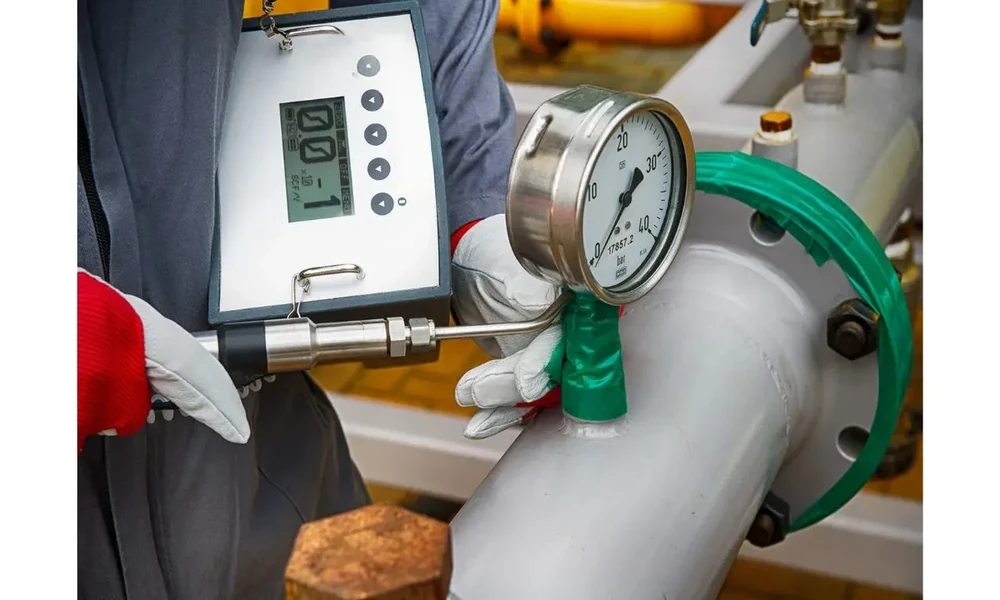
Common approaches include vacuum chamber testing, where a component is evacuated and helium is introduced to detect leaks from outside in, and sniffer testing, where a probe is passed over a pressurised component to detect helium escaping from a leak. The right method depends on the component’s geometry and the acceptance criteria it needs to meet.
Applications in Semiconductor and Pharma
Semiconductor manufacturing equipment and pharmaceutical packaging systems both operate under leak-tightness standards where a failure is not just a quality issue, it can compromise an entire production batch or process chamber. Helium leak detection is often the only method sensitive enough to verify these systems actually meet their required acceptance criteria.
Getting the Right Equipment and Support
Helium leak detector solutions from Mechlink are matched to the specific acceptance criteria and component types involved, with setup and methodology guidance included so the testing actually reflects the standard the facility needs to meet.
For Singapore facilities that need leak detection sensitive enough to meet semiconductor or pharma-grade acceptance criteria, Mechlink provides equipment and expertise built for that level of precision.
